Table of Content
Some people find that they need extra nutrients to alleviate their symptoms. For example, extra digestive enzymes in the form of supplements can help to eliminate the problem. Flaxseed is another easy way to help alleviate your symptoms.
Exercise helps relieve depression and stress, stimulates normal contractions of your intestines, and can help you feel better about yourself. If you've been inactive, start slowly and gradually increase the amount of time you exercise. If you have other medical problems, check with your doctor before starting an exercise program. Don't skip meals, and try to eat about the same time each day to help regulate bowel function.
Eating More Fiber
If you suspect this may be the case, take the time to monitor your diet. Then, you can determine how much fiber your body requires to balance the rest of your food groups. With this information in hand you are able to add more fiber into your diet or take other foods away, depending on what your body needs. "Be patient, with your loved one, and yourself," said Harrison. "Remember that if you can learn to reduce and manage the symptoms of irritable bowel syndrome it will be worth it.
A condition is considered “functional” when no physical or structural cause is found through to explain the symptoms. Mayo Clinic specialists in physical medicine and rehabilitation provide detailed programs of biofeedback to treat constipation and diarrhea. The Motility Clinic also works closely with Mayo Clinic psychologists to evaluate and treat people with IBS who might benefit from counseling and help with chronic pain. Don't skip meals, and try to eat at about the same time each day to help regulate bowel function. If you have diarrhea, you may find that eating small, frequent meals makes you feel better.
Bach flowers for IBS
Discover MyChart, a free patient portal that combines your Baptist Health medical records into one location. Schedule appointments, review lab results, financials, and more! It's important to note that the items above are simply triggers for IBS. These trigger the signs of IBS, but are not the root cause of IBS.
However, those days are a thing of the past for many and many people afflicted with the IBS disease. But a fact that has come out is that optional remedies have enduring results. You will want to be thinking about things that will help your system to move stool along more quickly. Learn about over-the-counter remedies that may be helpful, provide you with some dietary advice, and teach you a few self-care tricks. Evia uses gut-brain hypnotherapy to help you manage menopausal hot flashes and night sweats without drugs.
IBS Pain
Your doctor may also use a stethoscope to listen for the sounds your body makes during the digestive process. Over-the-counter medications, such as loperamide (Imodium A-D), can help control diarrhea. Your provider might also prescribe a bile acid binder, such as cholestyramine , colestipol or colesevelam .
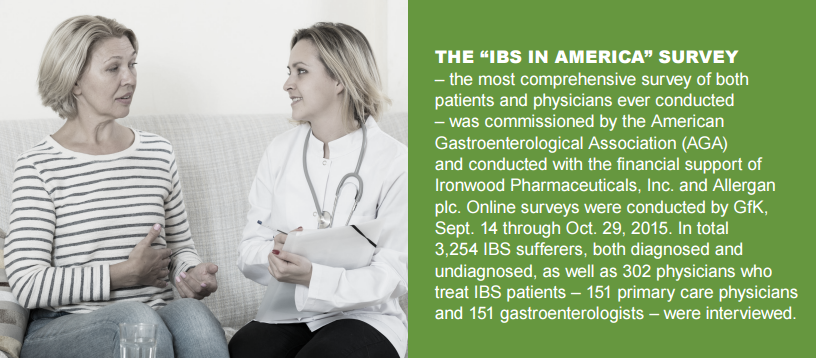
Probiotic foods such as fermented milk yogurt may help improve bowel motility. Verywell Health articles are reviewed by board-certified physicians and healthcare professionals. These medical reviewers confirm the content is thorough and accurate, reflecting the latest evidence-based research. Content is reviewed before publication and upon substantial updates.
A balanced diet and gentle exercise are also important. Dried plum juice, dried figs, and seedless grapes and watermelon, for example, contain fiber. Their ability to promote intestinal activity has been well established in studies. FODMAPs are substances that are naturally found in many foods. It is believed many people with irritable bowel syndrome are sensitive to some or all of these compounds. The physical exam will likely involve inspection of your abdomen for evidence of tenderness or bloating.

While these are not irritable bowel syndrome causes, physical indicators of lower GI oversensitivity can help point health professionals in the right direction. Identifying what triggers your IBS symptoms can also be beneficial. Explore Mayo Clinic studies testing new treatments, interventions and tests as a means to prevent, detect, treat or manage this condition. A breath test also can determine if you have bacterial overgrowth in your small intestine.
The most important thing you can do is to pay attention to your body and how you’re feeling. Notice how certain foods affect you and try your best to avoid them. Recognize when you’re feeling stressed out and find ways to calm your mind down. With a bit of practice, you’ll be on your way to fewer IBS symptoms, and a better ability to manage them. Probiotics are specific species and strains of bacteria that we eat which are thought to improve gut health. Its unknown exactly how these work, but by improving your “gut health”, you may also improve your IBS symptoms.
Yoga is another gentle at-home exercise that can calm your nerves and bring IBS relief. The 3000 year old practice combines breathing, meditation, and movement. Yoga has been linked with many health benefits, including the reduction of IBS gut symptoms. The low FODMAP diet has been shown effective in over 15 clinical studies. The benefits of the diet include reduced bloating, pain, and constipation.
If your problems are moderate or severe, your provider might suggest counseling — especially if you have depression or if stress tends to make your symptoms worse. Being a family caregiver is incredibly rewarding, but it can also drain your time and energy. If your care recipient has other health problems, like dementia or inflammatory bowel disease, it can make things even more challenging. The International Foundation for Functional Gastrointestinal Disorders recommends relaxation techniques like abdominal breathing and progressive muscle relaxation. Click here to learn more about relaxation techniques for IBS.
Fennel seeds are among workable IBS home remediessince it can reduce the intestinal spasms as well as bloating, the two common symptoms of IBS. As IBS treatments remain unsure, people who suffer from IBS have no choice to live with it while still develop their own ways of living. Fortunately, some significant changes in the regular diets combining with strategies of stress reduction can provide a good source of relief. If you’re one of them, you can try eating yogurt instead of milk for your dairy requirements — or consider using an enzyme product to help you process lactose. Your doctor may recommend avoiding dairy products entirely, in which case you’ll need to ensure that you consume enough protein and calcium from other sources. Talk to a dietitian if you have questions about how to do this.
How can a family caregiver help someone with IBS?
To prevent constipation, at least 1.5 to 2 liters should be ingested throughout the day. With diarrhea, not only is water lost, but also important electrolytes. Exercise for IBS is believed to be especially effective for IBS with constipation.
You may be referred to a provider who specializes in the digestive system . This antibiotic can decrease bacterial overgrowth and diarrhea. Pregabalin or gabapentin might ease severe pain or bloating. FODMAPs are found in certain grains, vegetables, fruits and dairy products.


No comments:
Post a Comment